
Service

MountWin Infra Private Limited

Our Services

The core business of MountWin Infra Private Limited is industrial Thermal Insulation, Cold Insulation, Turbine Spray Insulation, TG casing insulation, refractory lining installation and repair including gunning, scaffolding, painting etc. contracting. It’s a discipline that relies on experience, solid craftsmanship and familiarity with modern standards and working procedures. Insulation works are a combination of technically correct performance and esthetically perfect finishing. MountWin Infra Private Limited has already performed these services successfully since its inception.


Whether you need regularly scheduled maintenance, or have an unexpected outage, MountWin Infra Private Limited can assist you.

Our “team” oriented approach to minimizing our customer’s downtime has set a new standard of service in the industry. We understand that relationships are built on trust and backed by performance. MountWin Infra Private Limited knows what is expected during the critical time of an outage and realizes that working as a TEAM gets you back online faster to minimizing downtime and maximizing the runtime of your unit.


Our company has experience in the supply and installation of thermal insulation, cold insulation, turbine spray insulation, refractory lining, painting and scaffolding works. State-of-the-art technology, coupled with the capability to preformed shapes and custom prefabrication of components maintains our leadership in refractory construction and repair services. We are mainly focusing on:

  1. 1. Supply and Application of Thermal Insulation
  2. 2. Supply and Application of Turbine Spray Insulation
  3. 3. Supply and Application of Ceramic Blanket Insulation
  4. 4. Supply and Application of Cold Insulation
  5. 5. Refractory Lining Installation and Repair including gunning
  6. 6. Supply and Application of painting works.
  7. 7. Services for Scaffolding Works

MountWin Infra Private Limited. offers qualified and industry experienced Insulation, Refractory Supervisors, Forepersons, Bricklayers, Gunning Crews, scaffolders, painters and Carpenters etc., who have intimate knowledge in all facets of insulation & refractory construction. This assures you peace of mind knowing you have specialized personnel who understand your needs, the importance of quality and achieving required results on time.


Our expertise in managing large and demanding insulation and refractory projects is based on long-time experience and continuous development of our project handling and controlling systems.


MountWin Infra Private Limited is a leading company based in Hyderabad that deals in the supply and application of insulation, cold insulation, turbine spray insulation, refractory, painting, and scaffolding works etc., in India.

HOT INSULATION SERVICES

Hot insulation services involve the installation of materials and systems to prevent heat transfer and maintain high temperatures within industrial processes, equipment, and systems. These services are crucial in industries where maintaining specific temperatures is essential for the efficient and safe operation of processes. Here are key aspects related to hot insulation services:
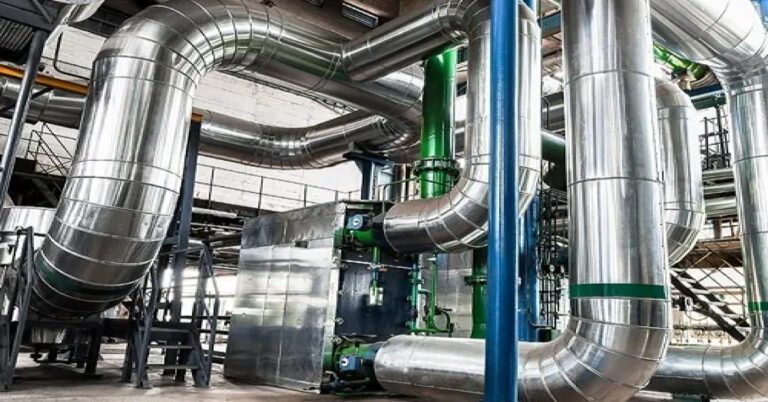
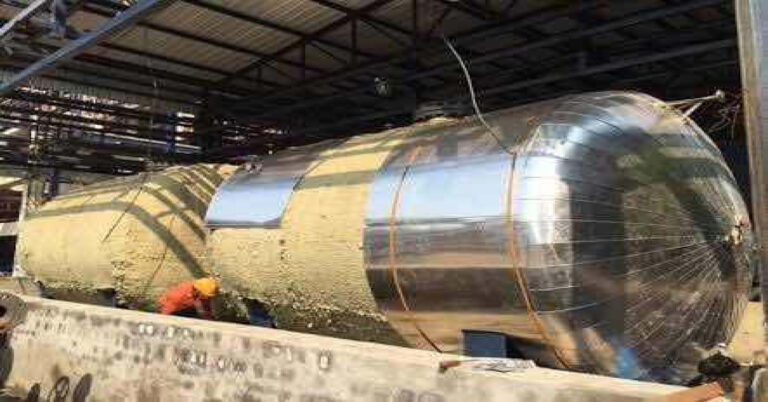
  1. 1. Materials Used for Hot Insulation:
    1. Mineral Wool: Provides effective insulation for high-temperature applications and is available in various forms, including blankets and boards.
    2. Ceramic Fiber Insulation: Resistant to high temperatures and commonly used in industries such as petrochemical and metallurgy.
    3. Calcium Silicate Insulation: Known for its thermal stability and resistance to high temperatures, often used in industrial applications.
    4. High-Temperature Insulation Blankets: Made from materials such as silica and designed to withstand extreme temperatures.
    5.  
  2. 2. Applications of Hot Insulation:
    • Piping Systems: Insulating pipes in industrial settings to minimize heat loss and maintain process temperatures.
    • Boilers and Furnaces: Providing insulation for boilers, furnaces, and other heat-generating equipment.
    • Tanks and Vessels: Insulating storage tanks and vessels to maintain the temperature of stored materials.
    • Heat Exchangers: Insulating heat exchangers to optimize heat transfer efficiency.
    •  
  3. 3. Benefits of Hot Insulation Services:
    • Energy Efficiency: Reducing heat loss leads to increased energy efficiency in industrial processes.
    • Safety: Preventing burns and protecting personnel from hot surfaces.
    • Process Optimization: Maintaining consistent temperatures for optimal performance of industrial equipment.
    • Environmental Compliance: Meeting regulatory requirements for emissions and energy conservation.
    •  
  4. 4. Installation and Maintenance:
    • Specialized Installation Teams: Hot insulation requires specialized knowledge, and installation teams are trained to work in high-temperature environments.
    • Regular Inspection: Periodic inspections ensure that the insulation remains effective and identifies any signs of wear or damage.
    •  
  5. 5. Customized Solutions:
    • Engineering Assessment: Conducting engineering assessments to determine the specific insulation requirements based on the industrial process and equipment.
    • Tailored Solutions: Providing customized insulation solutions to meet the unique needs of each industrial application.
    •  
  6. 6. Compliance with Standards:
    • Industry Standards: Adhering to industry specific standards and regulations for hot insulation to ensure safety and compliance.
    • Quality Control: Implementing quality control measures during installation to guarantee the effectiveness of the insulation.
    •  

Hot insulation services play a critical role in industries such as petrochemical, power generation, and manufacturing, where high temperatures are inherent to the processes. Working with experienced professionals ensures the proper design, installation, and maintenance of hot insulation systems to meet safety and performance requirements.
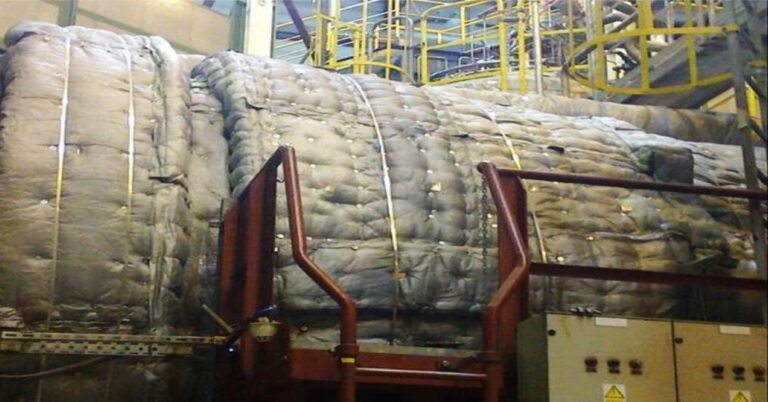
TURBINE CASING CERAMIC BLANKET SERVICES:

Turbine casing ceramic blanket services involve the application and installation of ceramic fiber blankets on the casing of turbines. These blankets are designed to provide thermal insulation and protection to the turbine casing, which is a critical component in power generation and industrial processes. Here are key aspects related to turbine casing ceramic blanket services:

  1. 1. Materials Used:
    • Ceramic Fiber Blankets: These blankets are made from ceramic fibers, which are known for their high-temperature resistance and insulation properties. They are often used in industrial applications to protect equipment from extreme temperatures.
    •  
  2. 2. Applications:
    • Turbine Casing Insulation: Ceramic fiber blankets are applied to the turbine casing to provide thermal insulation and protect the casing from the high temperatures generated during operation.
    • Heat Shielding: The blankets act as a heat shield, preventing excessive heat transfer to the turbine casing and other components.
    •  
  3. 3. Benefits of Turbine Casing Ceramic Blanket Services:
    • Temperature Resistance: Ceramic fiber blankets can withstand high temperatures, making them suitable for turbine environments.
    • Thermal Insulation: Provides effective thermal insulation, helping to maintain the desired temperature within the turbine casing.
    • Reduced Heat Loss: Minimizes heat loss from the turbine casing, contributing to energy efficiency.
    • Protection from Thermal Cycling: Helps protect the turbine casing from thermal cycling and temperature variations.
    •  
  4. 4. Installation Process:
    • Professional Installation: Turbine casing ceramic blanket services involve the expertise of professionals who are experienced in handling and installing ceramic fiber blankets.
    • Custom Fitting: Blankets are often custom-cut and fitted to ensure proper coverage of the turbine casing.
    •  
  5. 5. Considerations for Turbine Casing Ceramic Blanket Services:
    • Compatibility: Ensuring that the ceramic fiber blankets used are compatible with the specific turbine model and operating conditions.
    • Thickness and Density: Selection of the appropriate thickness and density of ceramic fiber blankets based on the insulation requirements.
    •  
  6. 6. Maintenance:
    • Regular Inspection: Periodic inspections are important to check for any signs of wear, damage, or degradation of the ceramic blankets.
    • Replacement: If blankets show signs of deterioration, they may need to be replaced to maintain effective insulation.
    •  
  7. 7. Safety and Compliance:
    • Adherence to Safety Standards: Ensuring that the installation complies with safety standards and regulations to protect personnel and equipment.
    • Environmental Considerations: Taking into account any environmental regulations related to the use of ceramic materials.
    •  

Turbine casing ceramic blanket services are essential for maintaining the efficiency and reliability of turbines in various industries, including power generation and manufacturing. Professional installation and adherence to safety and regulatory standards are critical to ensure the effective performance of the ceramic blankets and the overall integrity of the turbine system.

COLD INSULATION SERVICES

Cold insulation services involve the installation of materials and systems to prevent heat gain and maintain low temperatures in various applications. These services are particularly important in industries where temperature control is crucial for preserving the integrity of products, equipment, and processes. Here are key aspects related to cold insulation services:
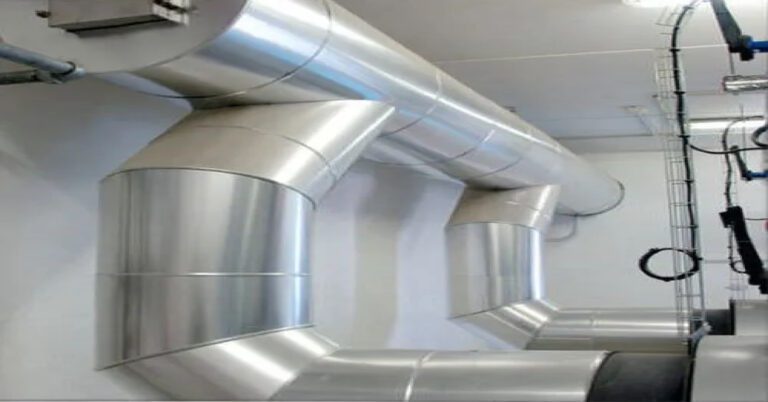
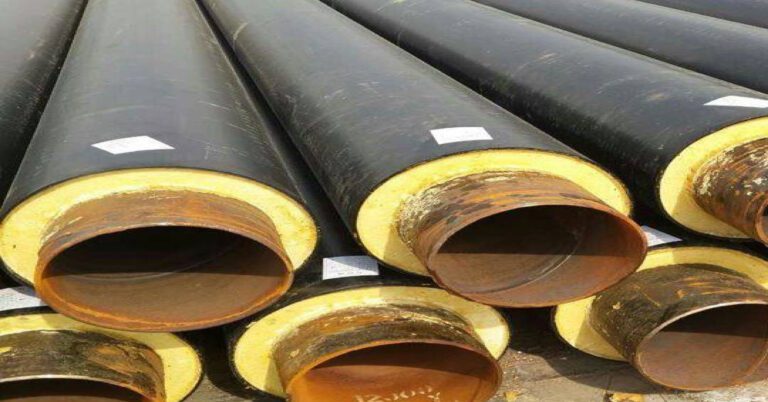
  1. 1. Materials Used for Cold Insulation:
    • Polyurethane Foam Insulation: Commonly used for refrigeration systems and cold storage facilities due to its excellent insulating properties.
    • Expanded Polystyrene (EPS): Lightweight and cost-effective, often used for cold insulation in buildings and industrial applications.
    • Phenolic Foam Insulation: Resistant to moisture and commonly used in cold storage and industrial applications.
    • Fiberglass Insulation: Suitable for cold applications and used in pipes, tanks, and vessels.
    •  
  2. 2. Applications of Cold Insulation:
    • Cold Storage Facilities: Insulating walls, floors, and ceilings to maintain low temperatures for storing perishable goods.
    • Refrigeration Systems: Insulating pipes and equipment to prevent heat infiltration and maintain low temperatures.
    • Process Industries: Insulating equipment and piping in industries where low temperatures are critical for production processes.
    •  
  3. 3. Benefits of Cold Insulation Services:
    • Energy Efficiency: Reducing the energy consumption of refrigeration systems by minimizing heat gain.
    • Preservation of Products: Maintaining low temperatures to preserve the quality and integrity of stored or processed goods.
    • Preventing Condensation: Cold insulation helps prevent condensation on surfaces, reducing the risk of corrosion and mold growth.
    • Compliance with Regulations: Meeting regulatory requirements for the storage and transportation of certain products, such as food and pharmaceuticals.
    •  
  4. 4. Installation and Maintenance:
    • Specialized Installation Teams: Cold insulation requires expertise in dealing with low temperatures, and installation teams are trained accordingly.
    • Regular Inspection: Periodic inspections are essential to ensure that the insulation remains effective and to address any wear or damage.
    •  
  5. 5. Customized Solutions:
    • Site Assessment: Conducting assessments to determine the specific insulation requirements based on the temperature needs and environmental conditions.
    • Tailored Solutions: Providing customized insulation solutions to meet the unique needs of each cold storage or refrigeration application.
    •  
  6. 6. Compliance with Standards:
    • Adherence to Industry Standards: Following industry-specific standards and regulations for cold insulation to ensure safety, product quality, and compliance.
    • Quality Control: Implementing quality control measures during installation to guarantee the effectiveness of the insulation.
    •  

Cold insulation services are essential in various industries, including food and beverage, pharmaceuticals, and chemical processing, where maintaining specific low temperatures is critical. Professional cold insulation services ensure that the chosen materials and installation methods meet the required standards and effectively preserve the desired temperature conditions.
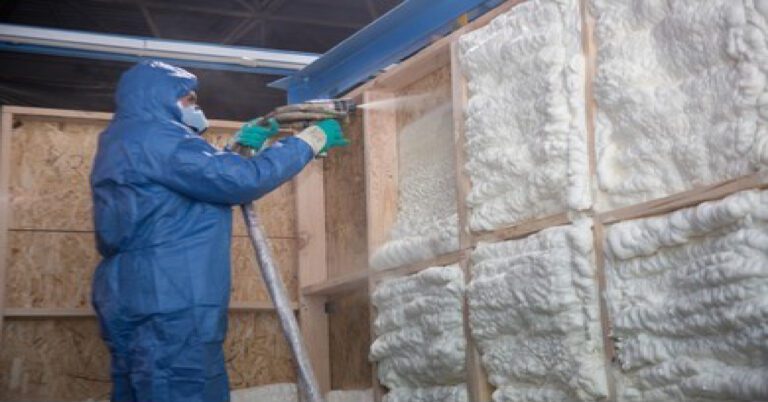
SPRAY INSULATION SERVICES

Spray Insulation services involve the application of insulation materials in a liquid form, which then expands and hardens to create a thermal barrier. Spray insulation is versatile and can be used in various applications, providing effective insulation and air sealing. Here are key aspects related to spray insulation services:

  1. 1. Types of Spray Insulation Materials:
    • Polyurethane Foam Insulation: One of the most common types, it expands upon application and provides excellent thermal insulation and air sealing properties.
    • Spray Foam Insulation (Open-cell and Closed-cell): Open-cell spray foam is softer and less dense, while closed-cell spray foam is denser and provides a higher level of insulation.
    •  
  2. 2. Applications of Spray Insulation:
    • Attic Insulation: Spray insulation can be applied in attics to create a seamless and effective thermal barrier.
    • Wall Insulation: Used to insulate walls, providing both thermal insulation and air sealing.
    • Roof Insulation: Applied to the underside of roofs to prevent heat transfer and enhance energy efficiency.
    • Crawl Space and Basement Insulation: Used to seal and insulate crawl spaces and basements.
    • Commercial and Industrial Buildings: Applied in various spaces to improve energy efficiency and provide thermal insulation.
    •  
  3. 3. Benefits of Spray Insulation Services:
    • Seamless Coverage: Spray insulation conforms to irregular shapes and fills gaps, providing seamless coverage.
    • Air Sealing: Acts as an effective air barrier, preventing drafts and reducing air infiltration.
    • High R-Value: Provides a high level of thermal resistance (R-value), contributing to energy efficiency.
    • Moisture Control: Closed-cell spray foam can act as a moisture barrier, preventing water vapor infiltration.
    •  
  4. 4. Installation Process:
    • Professional Application: Spray insulation is typically applied by trained professionals using specialized equipment.
    • Expansion and Curing: The liquid insulation expands upon application and cures to form a solid, insulating barrier.
    •  
  5. 5. Considerations for Spray Insulation:
    • Climate and Environmental Conditions: Consideration of local climate conditions and environmental factors is important.
    • Building Codes and Regulations: Adherence to local building codes and regulations regarding insulation materials and application.
    •  
  6. 6. Maintenance:
    • Minimal Maintenance: Spray insulation generally requires minimal maintenance once properly installed.
    • Periodic Inspection: Periodic inspections can ensure that the insulation remains intact and effective.
    •  
  7. 7. Cost Considerations:
    • Initial Cost: While spray insulation may have a higher upfront cost, it can provide long-term energy savings.
    •  

Spray insulation services offer a convenient and effective solution for achieving thermal insulation and air sealing in various settings. Professional installation is crucial to ensure proper coverage and adherence to safety and building standards. Property owners should work with experienced contractors to assess their specific insulation needs and determine the most suitable type of spray insulation for their requirements.

REFRACTORY SERVICES

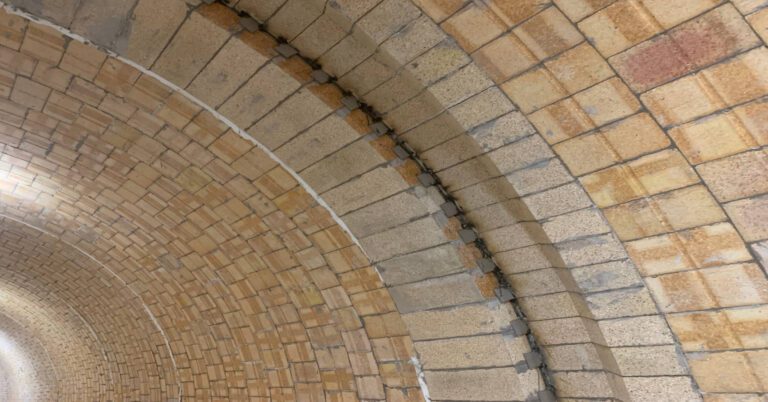
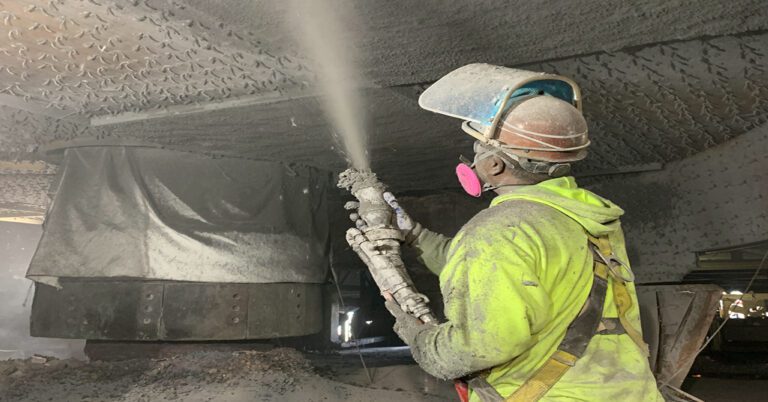
Refractory services involve the installation, repair, and maintenance of refractory materials in high-temperature environments, such as industrial furnaces, kilns, boilers, and other heat-intensive applications. Refractories are materials designed to withstand extreme temperatures, resist chemical corrosion, and provide insulation in environments where traditional construction materials would fail. Here are key aspects related to refractory services:
  1. 1. Types of Refractory Materials:
    • Fireclay Brick: Made from clay and other materials, suitable for moderate-temperature applications.
    • High Alumina Brick: Contains a higher percentage of alumina for increased resistance to high temperatures.
    • Insulating Firebrick: Lightweight bricks with low thermal conductivity, used for insulation in moderate-temperature applications.
    • Castable Refractories: Mixtures of refractory aggregates and binders that can be cast into shapes or applied as a lining.
    • Ceramic Fiber Products: Lightweight and highly insulating materials, including blankets, boards, and modules.
    •  
  2. 2. Applications of Refractory Services:
    • Industrial Furnaces: Lining and repairing furnaces used in metal smelting, glass manufacturing, and other high-temperature processes.
    • Boilers: Installation and maintenance of refractory linings in boilers to withstand combustion temperatures.
    • Kilns: Refractory linings in kilns used for processes such as ceramics, cement production, and drying.
    • Incinerators: High-temperature environments for waste disposal and energy recovery.
    • Petrochemical Industry: Refractory linings in reactors, crackers, and other high-temperature equipment.
    •  
  3. 3. Refractory Installation Services:
    • Professional Installation: Specialized teams are trained to install refractory materials with precision and expertise.
    • Custom Design: Tailoring refractory solutions to specific applications and equipment requirements.
    •  
  4. 4. Refractory Maintenance and Repair:
    • Regular Inspections: Periodic inspections to identify wear, erosion, or damage to refractory linings.
    • Refractory Repair: Repairing or replacing damaged refractory materials to maintain performance and integrity.
    •  
  5. 5. Benefits of Refractory Services:
    • High-Temperature Resistance: Refractories can withstand extreme temperatures, making them essential in industrial processes.
    • Chemical Resistance: Resistant to chemical corrosion, ensuring longevity in harsh environments.
    • Thermal Insulation: Provides insulation to retain and regulate temperatures within industrial equipment.
    • Increased Equipment Lifespan: Properly installed and maintained refractory linings contribute to the longevity of industrial equipment.
    •  
  6. 6. Safety and Compliance:
    • Adherence to Standards: Following industry-specific standards and regulations to ensure safety and compliance.
    • Environmental Considerations: Taking into account environmental regulations related to the use and disposal of refractory materials.
    •  
  7. 7. Emergency Repairs:
    • Rapid Response Teams: Some refractory service providers offer emergency repair services to minimize downtime in critical operations.
    •  

Refractory services are essential for industries relying on high-temperature processes. Professional installation, regular maintenance, and adherence to safety standards are crucial for ensuring the effectiveness and safety of refractory linings in industrial applications.
PAINTING SERVICES

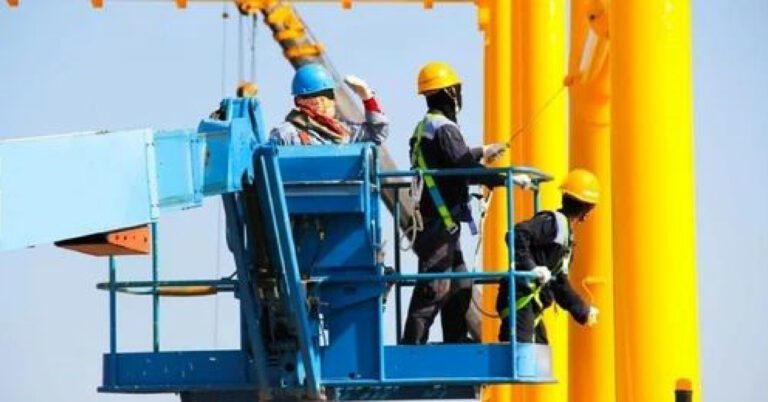
Painting services involve the application of paint to various surfaces, such as walls, ceilings, exteriors, and other structures. These services can be provided for residential, commercial, and industrial properties, and they encompass a range of activities from surface preparation to the actual painting. Here are key aspects related to painting services:

  1. 1. Surface Preparation:
    • Cleaning: Proper cleaning of surfaces to remove dirt, dust, and grease.
    • Patchwork: Repairing cracks, holes, or other imperfections in the surfaces.
    • Priming: Applying primer to create a smooth and uniform base for the paint.
    •  
  2. 2. Painting Services:
    • Industrial Painting: Specialized painting for industrial facilities, machinery, and structures.
    •  
  3. 3. Types of Paint Used:
    • Oil-Based Paint: Paint with an oil or alkyd base, often chosen for its durability and smooth finish.
    • Epoxy Paint: Resistant to chemicals and used in industrial settings.
    • Specialty Paints: Such as textured, metallic, or antimicrobial paints, depending on the desired effect.
    •  
  4. 4. Color Consultation:
    • Professional Advice: Some painting services may offer color consultation to help clients choose suitable colors for their spaces.
    •  
  5. 5. Safety Measures:
    • Protective Measures: Taking precautions to protect furniture, floors, and other surfaces during the painting process.
    • Safety Equipment: Use of safety gear, such as masks and goggles, especially in industrial settings.
    •  
  6. 6. Environmental Considerations:
    • Use of Eco-Friendly Paints: Some painting services offer environmentally friendly or low-VOC (volatile organic compounds) paints.
    • Proper Disposal: Ensuring proper disposal of paint cans and waste according to environmental regulations.
    •  
  7. 7. Estimates and Contracts:
    • Detailed Quotes: Providing clients with detailed estimates, including costs, timelines, and materials.
    • Contracts: Formalizing agreements with contracts outlining the scope of work, responsibilities, and terms.
    •  
  8. 8. Maintenance and Touch-ups:
    • Routine Maintenance: Recommending and providing routine maintenance to extend the life of the painted surfaces.
    • Touch-ups: Addressing minor damages or wear and tear with touch-up services.
    •  

Professional painting services contribute to the aesthetics, protection, and longevity of structures. Choosing a reputable painting service provider ensures quality workmanship, adherence to safety standards, and customer satisfaction.

SCAFFOLDING SERVICES

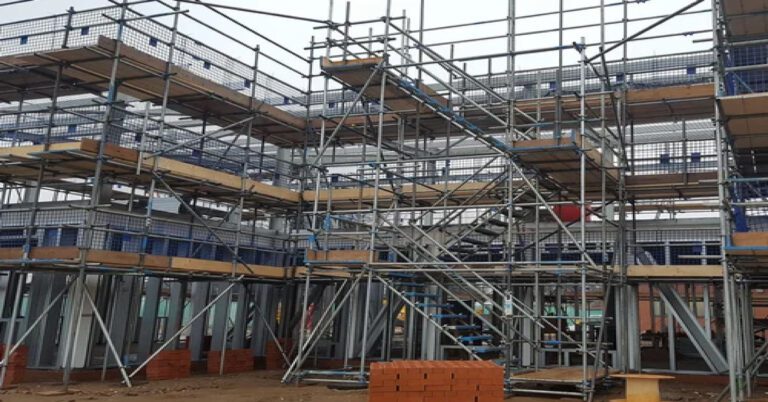
Scaffolding services involve the rental, installation, and maintenance of scaffolding structures that provide temporary support and access to elevated areas during construction, maintenance, or repair work. Scaffolding is crucial for ensuring the safety and efficiency of work at heights. Here are key aspects related to scaffolding services:
  1. 1. Types of Scaffolding:
    • Tube and Coupler Scaffolding: Traditional scaffolding using tubes and couplers for flexibility and adaptability.
    • Frame Scaffolding: Consists of vertical and horizontal frames, commonly used for residential and commercial construction.
    • System Scaffolding: Modular scaffolding systems with pre-engineered components for quick assembly.
    • Suspended Scaffolding: Hangs from an overhead structure, often used for tasks like window washing or maintenance on tall buildings.
    • Mobile Scaffolding: Portable scaffolding on wheels for easy mobility within a construction site.
    •  
  2. 2. Scaffolding Rental:
    • Equipment Availability: Scaffolding service providers offer a range of scaffolding types and sizes for rent.
    • Delivery and Setup: Rental services typically include the delivery, setup, and dismantling of scaffolding.
    •  
  3. 3. Scaffolding Installation:
    • Professional Installation Teams: Trained and experienced teams that handle the safe and proper installation of scaffolding.
    • Compliance with Standards: Ensuring that the installation adheres to safety standards and regulations.
    •  
  4. 4. Safety Measures:
    • Guardrails and Toe Boards: Installing guardrails and toe boards to prevent falls and ensure worker safety.
    • Safety Nets: Implementing safety nets to catch falling objects and provide an additional layer of protection.
    • Regular Inspections: Conducting regular inspections to identify and address potential safety hazards.
    •  
  5. 5. Custom Scaffolding Solutions:
    • Tailored Designs: Creating custom scaffolding solutions based on the specific requirements of the project and site.
    • Adaptability: Designing scaffolding structures that can be adapted to the unique challenges of the construction site.
    •  
  6. 6. Scaffolding Dismantling:
    • Safe Dismantling Procedures: Following proper procedures for the systematic and safe dismantling of scaffolding structures.
    • Timely Removal: Ensuring timely removal of scaffolding after the completion of the project.
    •  
  7. 7. Maintenance and Repairs:
    • Regular Inspections: Periodic inspections to assess the condition of the scaffolding and identify any need for repairs.
    • Prompt Repairs: Addressing any issues promptly to maintain the structural integrity and safety of the scaffolding.
    •  
  8. 8. Compliance and Permits:
    • Permit Procurement: Assisting in obtaining the necessary permits for scaffolding installation, where required.
    • Regulatory Compliance: Ensuring compliance with local, state, and federal regulations regarding scaffolding safety.
    •  
  9. 9. Training and Certification:
    • Training Programs: Providing training for workers on the proper use of scaffolding and safety procedures.
    • Certification: Ensuring that scaffolding personnel are certified and trained in accordance with industry standards.
    •  

Scaffolding services play a critical role in construction and maintenance projects by providing a safe and accessible working platform at heights. Choosing a reliable scaffolding service provider is essential for ensuring the safety of workers and the efficiency of construction activities.